

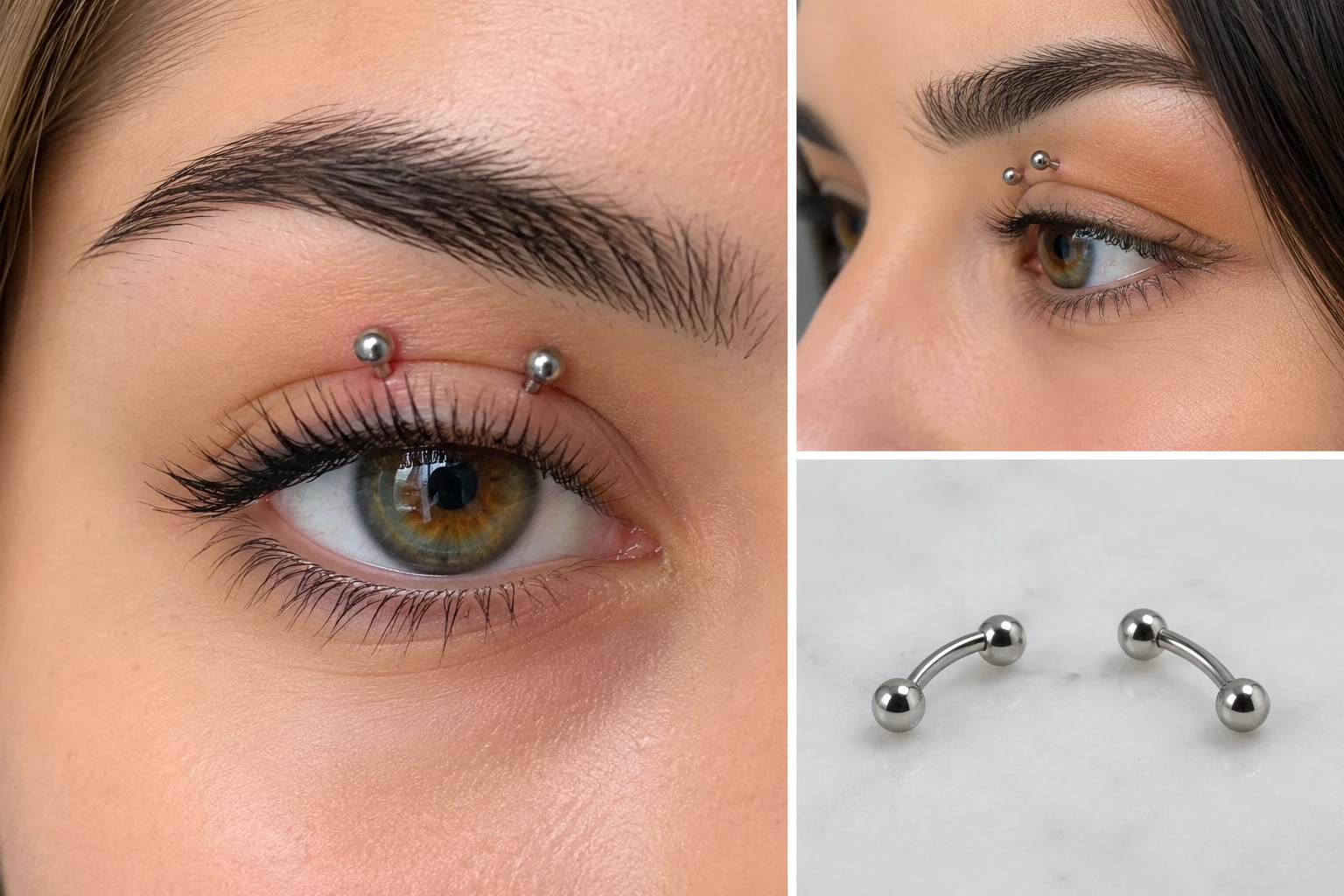

Snake eyes piercing is a distinctive tongue piercing known for its unusual horizontal placement near the tip of the tongue. It creates the appearance of two small metal ends on the front of the tongue, making it a recognizable choice among people interested in alternative body piercings.
However, this piercing comes with important health concerns. Unlike traditional vertical tongue piercings, snake eyes piercing passes horizontally through the tongue tip, potentially affecting tongue movement and placing pressure on nearby teeth and oral tissues.

In this guide, we'll explain what snake eyes piercing is, how it looks, its potential pain level, jewelry styles, healing considerations, cost factors, and the risks you should understand before making a decision.
What Is a Snake Eyes Piercing?
A snake eyes piercing is a horizontal tongue piercing positioned near the front tip of the tongue. It typically uses a curved barbell with a visible decorative end on each side.
The name comes from its resemblance to a snake's eyes when the tongue is extended.
Unlike a traditional tongue piercing, which passes vertically through the tongue's midline, snake eyes piercing crosses the tongue tip horizontally. This difference in placement is important because the tongue contains muscles, nerves, blood vessels, and other structures involved in speaking, swallowing, and moving food.
The American Dental Association advises against cosmetic oral piercings because of their potential negative health effects.
What Does a Snake Eyes Piercing Look Like?
Snake eyes piercing usually features two small metal balls or decorative ends positioned close together at the tip of the tongue.
Common visual characteristics include:
· Two visible jewelry ends resembling eyes.
· A horizontal placement across the tongue tip.
· A compact, symmetrical appearance.
· Jewelry that may be silver-colored, gold-colored, or decorated with small gems.
Its distinctive appearance is one reason it attracts attention on social media. However, appearance alone should not determine whether an oral piercing is a suitable choice.
Snake Eyes Piercing Pain Level
Snake eyes piercing involves puncturing sensitive tongue tissue, so pain and discomfort can occur during and after the procedure. Pain varies according to individual sensitivity, anatomy, and the circumstances of the procedure. There is no reliable universal pain score specifically for snake eyes piercing.
Possible experiences include:
· Brief sharp pain during the procedure.
· Tenderness around the tongue tip.
· Swelling and discomfort during the initial recovery period.
· Difficulty speaking or eating comfortably while the tongue is swollen.
Tongue swelling can be particularly concerning because severe swelling may interfere with swallowing or breathing.
Important: Snake eyes piercing is associated with significant oral-health risks. The American Dental Association recommends against cosmetic oral piercings, so consulting a dentist before considering this type of piercing is advisable.
Snake Eyes Piercing Healing Time
Healing time can vary depending on the extent of tissue injury, individual healing, oral hygiene, and complications. There is no well-established healing timeline that can be guaranteed specifically for snake eyes piercing. The tongue may appear less swollen before the underlying tissue has fully healed.
During recovery, possible symptoms include:
· Swelling and tenderness.
· Increased saliva production.
· Temporary difficulty speaking clearly.
· Discomfort while chewing or swallowing.
Do not assume that the piercing is fully healed simply because the initial swelling has decreased. Oral piercings may also cause problems after the initial healing period, including gum injury, chipped teeth, and persistent irritation.

Snake Eyes Piercing Jewelry
Snake eyes piercing is commonly associated with a curved barbell featuring two visible ends. However, jewelry selection does not eliminate the anatomical risks associated with horizontal tongue-tip placement.
Curved barbell: A curved bar with a decorative end on either side.
Metal finishes: Jewelry may be available in silver-colored, gold-colored, and other finishes.
Decorative ends: Small balls or gem-style ends may create the characteristic snake-eyes appearance.
Material quality, fit, and surface finish are important considerations for oral jewelry. Nevertheless, even well-made jewelry can injure teeth, gums, and tongue tissue when positioned in a high-risk location.
Further reading: Association of Professional Piercers — https://safepiercing.org/oral-piercing-risks-safety-measures/
Snake Eyes Piercing Cost
Snake eyes piercing prices vary by location, studio, jewelry material, and the services included in the quoted price.
The total cost may depend on:
· The piercing studio's service fee.
· Jewelry quality and material.
· The piercer's experience.
· Local hygiene and sterilization standards.
· Follow-up appointments or medical treatment if complications occur.
There is no single reliable price that applies to every country or studio. Check current local prices directly rather than relying on an outdated online estimate. Also consider potential dental or medical expenses when evaluating the overall cost of an oral piercing.
Snake Eyes Piercing Risks
Understanding the risks is essential before considering any tongue piercing. The American Dental Association advises against cosmetic oral piercings because of their potential complications.
Tooth Damage
Oral jewelry can repeatedly contact the teeth during speaking, chewing, and normal tongue movement. This contact may cause chipped, cracked, worn, or sensitive teeth.
Gum Damage
Jewelry can irritate soft tissues and contribute to gum recession. Gum recession may expose tooth roots and increase sensitivity.
Infection
The mouth naturally contains many microorganisms. Piercing creates an opening through tissue, allowing bacteria to enter and potentially cause an infection.
Swelling and Breathing Problems
Tongue swelling can sometimes become severe enough to obstruct the airway. This is a medical emergency.
Nerve or Blood Vessel Injury
The tongue contains nerves and blood vessels. Injury during an oral-piercing procedure can cause altered sensation, movement problems, or significant bleeding.
Speech and Eating Difficulties
Tongue jewelry can interfere with normal tongue movement and may affect speaking, chewing, or swallowing.
Jewelry-Related Injuries
Loose or damaged jewelry may be swallowed or aspirated. Jewelry can also become embedded in surrounding tissue.
These risks are not limited to the first few days after a piercing. Some dental and gum complications can develop over time.
Sources: American Dental Association — https://www.ada.org/resources/ada-library/oral-health-topics/oral-piercing-jewelry and https://www.mouthhealthy.org/all-topics-a-z/oral-piercings
Snake Eyes Piercing Aftercare
Because oral piercings involve sensitive tissue and exposure to bacteria, careful aftercare is important. However, aftercare cannot remove the underlying anatomical risks of snake eyes piercing.
If you already have an oral piercing, general precautions include:
· Maintain regular brushing and flossing.
· Follow advice from a qualified healthcare professional about oral hygiene.
· Avoid playing with or repeatedly moving the jewelry.
· Avoid activities that traumatize the pierced area.
· Do not use alcohol-based mouthwash or hydrogen peroxide on the piercing site unless specifically directed by a healthcare professional.
· Attend dental checkups to monitor possible damage to teeth and gums.
Do not attempt to force jewelry out of swollen or injured tissue. Seek professional medical advice about whether removal is appropriate, especially if infection is suspected.
Further guidance: Association of Professional Piercers — https://safepiercing.org/oral-aftercare/
When Should You Seek Medical Help?
Seek urgent medical attention if you experience difficulty breathing or swallowing, rapidly increasing tongue swelling, uncontrolled bleeding, or severe pain. Fever, worsening redness, pus, or increasing tenderness may indicate an infection and warrant prompt medical assessment.
Is Snake Eyes Piercing Safe?
Snake eyes piercing is generally considered a high-risk oral-piercing choice because of its horizontal placement through the tongue tip.
The jewelry may place stress on tongue tissue and interfere with normal movement. Oral jewelry can also cause dental damage, gum recession, infection, and other complications.
The American Dental Association advises against cosmetic oral piercings. Anyone considering this style should discuss the risks with a dentist before making a decision.
If you like the appearance of tongue jewelry, ask a qualified dental professional about the risks of different oral-piercing placements rather than assuming another placement is completely safe.
Frequently Asked Questions
Does snake eyes piercing hurt?
It can cause pain during the procedure, followed by swelling and tenderness. The level of discomfort varies between individuals, and severe or worsening pain requires medical assessment.
How long does snake eyes piercing take to heal?
Healing varies between individuals, and a reliable, guaranteed healing period for snake eyes piercing has not been established. Reduced swelling does not necessarily mean the tissue has fully healed.
Can snake eyes piercing damage your teeth?
Yes. Oral jewelry can chip or wear down teeth and may contribute to gum recession, especially when it repeatedly contacts the teeth and surrounding tissues.
Can you eat normally after snake eyes piercing?
Swelling and tenderness can make eating uncomfortable. Oral piercings may also interfere with chewing and swallowing. Difficulty swallowing or breathing requires urgent medical attention.
What jewelry is used for snake eyes piercing?
A curved barbell with two visible ends is commonly associated with this piercing. Jewelry choice does not eliminate the risks created by its placement.
How much does snake eyes piercing cost?
The price depends on the location, studio, jewelry, and services included. Contact local studios for current prices, but discuss the health risks with a dentist before considering the procedure.
Is snake eyes piercing safer than a regular tongue piercing?
Neither type of oral piercing is risk-free. Snake eyes piercing has particular concerns because of its horizontal tongue-tip placement. The American Dental Association advises against cosmetic oral piercings generally.
Final Thoughts
Snake eyes piercing stands out because of its distinctive horizontal placement and two visible jewelry ends. However, its appearance should be weighed against the potential for tooth damage, gum recession, infection, tongue injury, and difficulties with normal oral function.
Before considering this piercing, speak with a dentist about the risks and possible alternatives. If you already have one, maintain good oral hygiene and seek professional advice if you notice any signs of complications.
Leave a Reply