


Dahlia Bites Piercing: What You Should Know Before Getting One
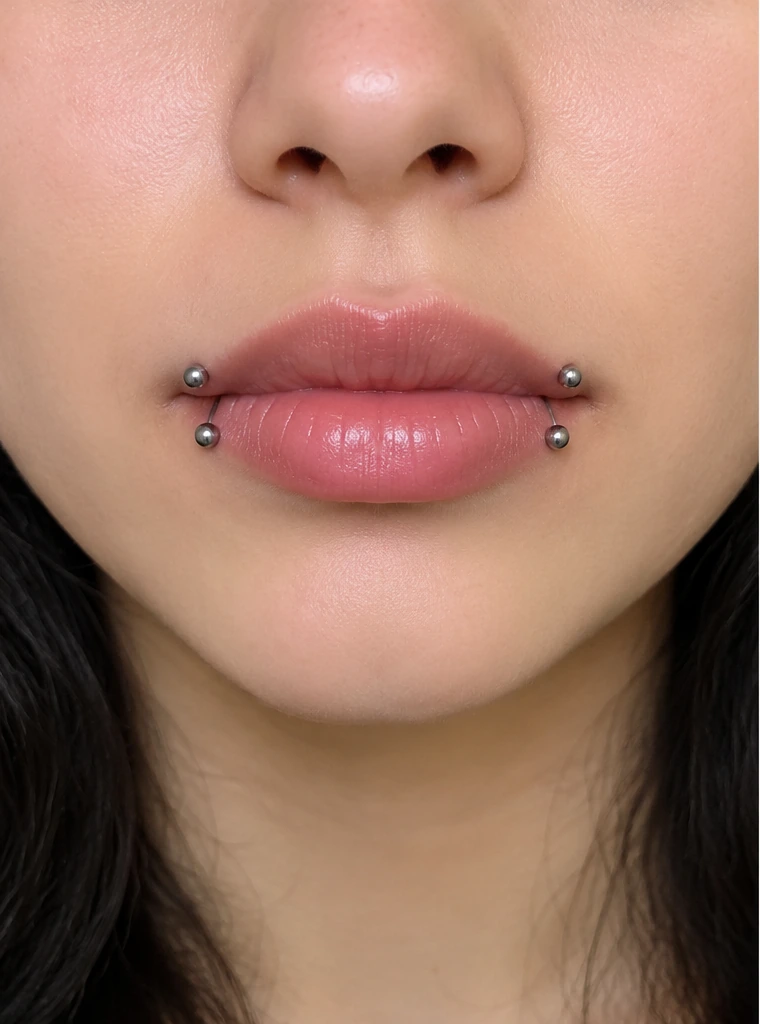
A Dahlia bites piercing is a paired lip piercing placed near the two corners of the mouth. The jewelry sits on either side, creating a balanced look that can draw attention to a smile. You may also see the style called Dahlia piercings or joker piercings. The nickname comes from the way the placement can visually extend the corners of the mouth, but the piercing should never be used to imitate an actual injury or stretch the skin.

Because this placement is close to the mouth, choosing an experienced professional piercer is especially important. The piercer needs to assess your anatomy, the movement of your lips, and whether the jewelry could rub against your teeth or gums.
What Are Dahlia Bites Piercings?
Dahlia bites are usually done as two separate piercings, one near each corner of the mouth. They are different from other paired lip piercings because of their position farther out toward the sides of the mouth. Exact placement varies with facial anatomy, so reference photos should guide the discussion rather than determine the final position.
A professional piercer should mark both sides and let you check the placement while your face is relaxed and while you smile. Do not try to pierce the area yourself: the location contains delicate tissue and mistakes can cause infection, scarring, or dental and gum damage.
How Painful Is a Dahlia Bites Piercing?
Pain is personal, so there is no single score that applies to everyone. You may feel a quick, sharp pinch during each piercing, followed by tenderness or swelling. Since Dahlia bites involve two piercings, you will experience the process twice. Anxiety, individual pain sensitivity, anatomy, and the piercer’s technique can all affect the experience.
Ask the piercer to explain each step before starting. Avoid alcohol or recreational drugs before the appointment, and follow the studio’s pre-appointment instructions. Do not take medication solely to prevent piercing pain without checking whether it is appropriate for you.
Dahlia Bites Healing Time
Healing varies and can take several months; oral piercings may appear calmer on the outside before the channel has fully healed. Swelling and tenderness are common early on, but symptoms should gradually improve. Your piercer can give a more tailored estimate based on the exact placement and jewelry.
Do not change the jewelry just because the area looks better. Have a qualified piercer assess the piercing and perform any needed jewelry downsizing or change. If swelling worsens, pain increases, or the area becomes increasingly hot or red, seek medical advice.
Jewelry for Dahlia Bites
Initial jewelry must allow room for expected swelling without being so long that it catches or knocks against the teeth. A reputable piercer may recommend appropriately sized, implant-grade titanium or another verified body-safe material. The correct jewelry style and length depend on your anatomy and the exact placement.
Once healing is complete, a piercer can help you consider suitable decorative ends or other jewelry options. Avoid jewelry that is too tight, has rough edges, or repeatedly contacts your teeth and gums. Persistent rubbing can contribute to enamel wear or gum recession.
How Much Do Dahlia Bites Cost?
The price depends on the studio, the piercer’s experience, local rates, the jewelry material, and whether the quote includes both piercings. Ask for a complete price covering both sides, initial jewelry, and any follow-up or downsizing appointment. Do not choose a provider based only on the lowest price; sterile equipment, safe jewelry, and professional technique matter more.
Dahlia Bites Aftercare
Care instructions from your piercer should take priority. General precautions include:
· Wash your hands before touching the area, and otherwise avoid twisting or playing with the jewelry.
· Clean the outside gently with sterile saline wound wash when recommended by your piercer.
· For the inside of the mouth, follow professional oral-care instructions; use a gentle, alcohol-free mouth rinse when appropriate.
· Keep up gentle brushing and flossing with a clean toothbrush, taking care not to hit the jewelry.
· Avoid smoking or vaping where possible, and avoid irritating foods or habits that aggravate the piercing during early healing.
· Do not use alcohol, hydrogen peroxide, harsh antiseptics, or homemade concentrated salt mixtures on the piercing.
· Avoid oral contact that may introduce bacteria while the piercing is healing, and follow your piercer’s guidance about when activities can safely resume.
Risks and Possible Problems
All piercings carry risks, including infection, swelling, bleeding, allergic reactions, migration, rejection, and scarring. Because Dahlia bites sit near the mouth, jewelry may also irritate the gums or chip or wear tooth enamel if it repeatedly strikes the teeth. Good placement and correctly fitted jewelry can reduce some risks but cannot eliminate them.
Get prompt medical care for severe or worsening swelling, spreading redness, fever, pus with worsening symptoms, or trouble swallowing or breathing. Breathing or swallowing difficulty is an emergency. If you suspect infection, do not remove the jewelry on your own unless a clinician tells you to; seek professional advice promptly.
Are Dahlia Bites Right for You?
This style may suit someone who wants a symmetrical, statement-making facial piercing and is prepared for careful oral and external aftercare. It may be less suitable if you have gum problems, dental concerns, a tendency to form problematic scars, or difficulty following a healing routine. Discuss your dental and oral health with a qualified professional before deciding.
Frequently Asked Questions
Do Dahlia bites piercings leave scars?
They can. Scarring depends on your skin, placement, healing, irritation, and whether the piercings are removed. Some marks may remain after the jewelry is taken out.
Are Dahlia bites the same as cheek piercings?
No. Dahlia bites are generally placed near the corners of the mouth, while cheek piercings are positioned farther back on the cheeks. Exact terminology can vary between studios.
Can I get both Dahlia bites at once?
They are commonly done as a pair, but a professional piercer should assess your anatomy and explain the swelling, aftercare, and risks before proceeding.
Can Dahlia bites damage teeth or gums?
Yes, jewelry that repeatedly contacts teeth or gums can contribute to enamel damage or gum recession. Correct placement and fit are important, and persistent contact should be assessed by a piercer and dental professional.
When can I change Dahlia bites jewelry?
Wait until a qualified piercer confirms the piercing is ready. The outside may look healed before the inner tissue is fully healed, and early changes can cause irritation or injury.
What should I do if a Dahlia bite looks infected?
Seek prompt advice from a healthcare professional, especially if symptoms worsen or you have fever, spreading redness, or significant swelling. Trouble swallowing or breathing needs emergency care.

Final Thoughts
A Dahlia bites piercing can create a distinctive look, but the placement needs careful planning because it sits close to the mouth, teeth, and gums. Choose an experienced piercer, use suitable initial jewelry, and follow consistent aftercare. If you are unsure whether the placement suits your anatomy, get an in-person assessment before booking.
Leave a Reply